
Mail-in dental handpiece repair — free prepaid label, free estimate, 6-month warranty

Handpiece Repair Blog by Essential Insights

Blog Posts

Low Speed Dental Handpiece Attachment
Handpiece Care
Bill (Master Technician)

How Long Do Dental Handpieces Last?

A well-maintained dental handpiece lasts three to five years or more. A neglected one lasts nine to eighteen months. The gap between those two numbers is not the brand you bought — it is lubrication, sterilization habits, and how many handpieces you keep in rotation. That is the short version. The rest of this is what actually wears out, when each part is due, and how to tell where yours is in that cycle. How long does a dental handpiece last? Three to five years or more with consistent professional care. Nine to eighteen months when it is neglected. Both

Read More »
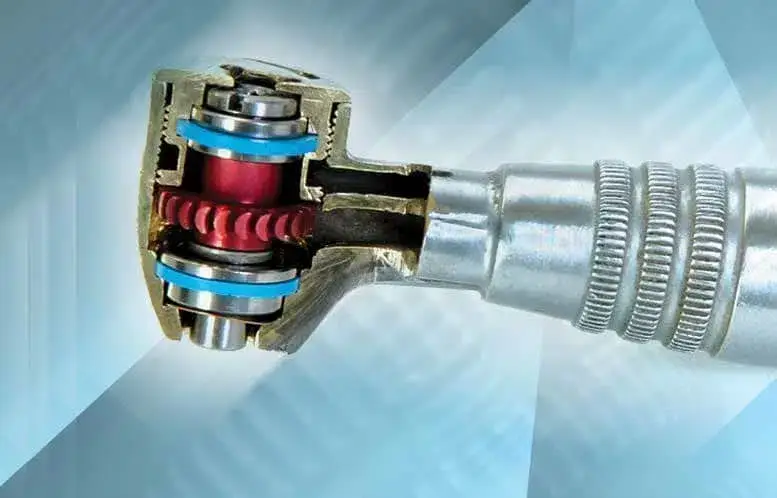
Handpiece lubricant spray can in a dental operatory, used when maintaining high speed and electric handpieces
Handpiece Care
Bill (Master Technician)

Optimizing Your High Speed Handpiece & Electric Handpiece

Chuck Cleaning for Better Performance and Longer Life By Essential Handpiece Repairs • July 2026 High speed handpieces and electric handpieces are essential tools in modern dental practices, operating at extremely high RPMs day after day. One of the most overlooked maintenance tasks is cleaning the chuck — the part that securely holds the bur. Neglecting it leads to bur slippage, vibration, and premature turbine failure. Why Regular Chuck Cleaning Is Critical for Handpiece Repair Prevention Debris, old lubricant, and sterilization residue build up inside the chuck of your high speed handpiece and electric handpiece. This causes poor bur retention,

Read More »
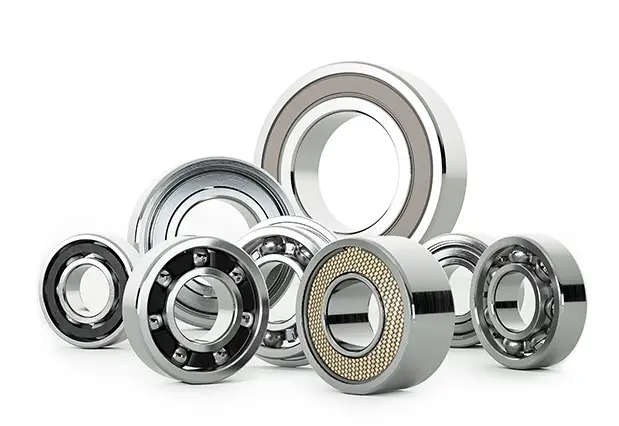
Assortment of dental handpiece bearings of different sizes, the most common wear part in a turbine
Handpiece Care
Bill (Master Technician)

Dental Handpiece Bearings

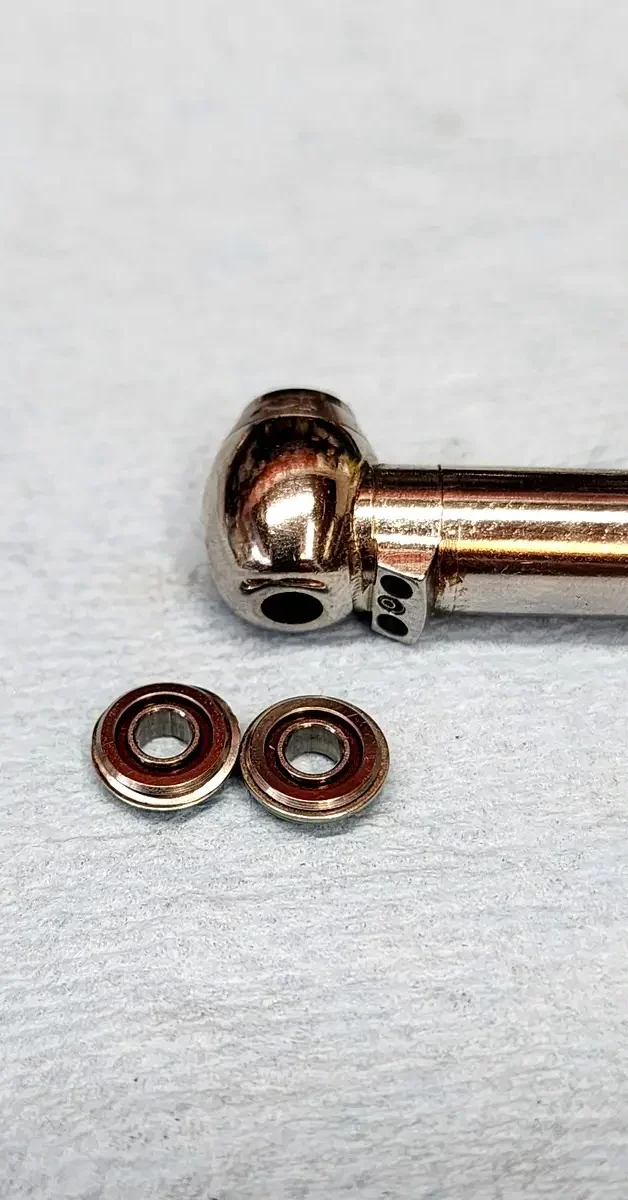
The Heart of Your Turbine & Why Most Repair Companies Won’t Warranty Them By Essential Handpiece Repairs • July 14, 2026 Dental handpieces are precision instruments that spin at hundreds of thousands of RPM. At the center of that performance are the bearings — small but critical components that allow smooth, high-speed rotation. When bearings fail, your handpiece becomes noisy, loses torque, overheats, or stops working entirely. Why Bearings Fail So Often Extreme Speeds & Heat: Bearings operate under intense friction and heat from high RPMs and repeated autoclave sterilization. Improper Maintenance: Skipping lubrication, using incorrect lubricants, or poor sterilization

Read More »
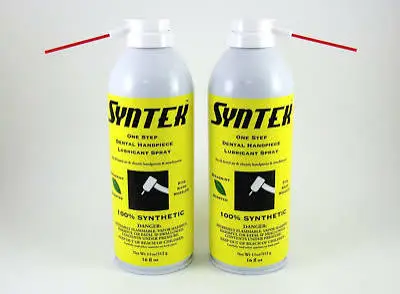
Two cans of Syntek synthetic handpiece lubricant spray
Handpiece Care
Bill (Master Technician)

What Most Dental Offices Don’t Realize.. Damage!

May 14, 2026 Dental handpieces are some of the hardest-working tools in any practice. They run at extremely high speeds, endure daily use, and go through repeated sterilization cycles. When a handpiece starts losing power, making unusual noise, or fails sooner than expected, many offices assume it’s just normal wear and tear. At Essential Handpiece Repairs, we see the real story every day. Many practices are unknowingly shortening the life of their valuable handpieces through a few common but preventable mistakes. Fixing these issues can dramatically extend the lifespan of your equipment and keep your operatories running efficiently. Common Mistakes

Read More »
Dental assistant cleaning and preparing instruments at a sterilisation bench
Handpiece Care
Bill (Master Technician)

Dental Handpiece Maintenance and Warning Signs

Expert Tips for Longer Life and Better Performance Dental handpieces are the workhorses of any practice. They spin at hundreds of thousands of RPM, endure daily sterilization, and must deliver precise, reliable cutting power every time. When they fail, procedures slow down, patient comfort suffers, and costs add up. Proper maintenance and timely repairs extend their lifespan dramatically while ensuring safety and compliance. At Essential Handpiece Repairs, we’ve specialized in handpiece repair for years, servicing high-speed, low-speed, and electric models from leading brands. This guide draws from that hands-on experience to help you troubleshoot common issues, follow best practices, and

Read More »
Dentist treating a patient with a high speed handpiece in an operatory
Handpiece Care
Bill (Master Technician)

The Smart Way to Think About Handpiece Repair Frequency

At Essential Handpiece Repairs, we talk with dental practices every day about one key question: How often should we repair or service our handpieces? The answer isn’t one-size-fits-all, but getting the frequency right delivers major benefits: lower long-term costs, less downtime, smoother procedures, and happier patients. Why Repair Frequency Matters More Than Dentists Realize Handpieces are high-wear instruments. A busy practice can put hundreds of hours on a single high-speed handpiece in just a few months. Without planned servicing, small issues turn into major failures — leading to unexpected downtime, lost chair time, and full replacements that cost thousands. Regular,

Read More »
Low Speed Dental Handpiece Attachment
Handpiece Care
Bill (Master Technician)

Handpiece Care for Dental Hygienists

A hygiene handpiece almost never fails without warning — but the warning is short. It gets louder, it runs warmer, it stops polishing the way it did, and those changes show up in your hands during a procedure. Once they do, a worn bearing can take the head with it inside a couple of hours of use. Knowing what you are feeling, and acting on it the same day, is most of the job. This is written for the person actually holding it — hygiene handpieces, prophy angles and all. What follows is what changes under your hand, what you

Read More »

send us a message

Fill out the form below, and we will be in touch shortly.

Contact Information: