
This post is for educational purposes. Always consult manufacturer instructions and your equipment specialist for model-specific advice
Bill (Master Technician)
Essential Handpiece Repairs
www.essentialhandpiecerepairs.com
Mail-in dental handpiece repair — free prepaid label, free estimate, 6-month warranty
This post is for educational purposes. Always consult manufacturer instructions and your equipment specialist for model-specific advice
Bill (Master Technician)
Essential Handpiece Repairs
www.essentialhandpiecerepairs.com
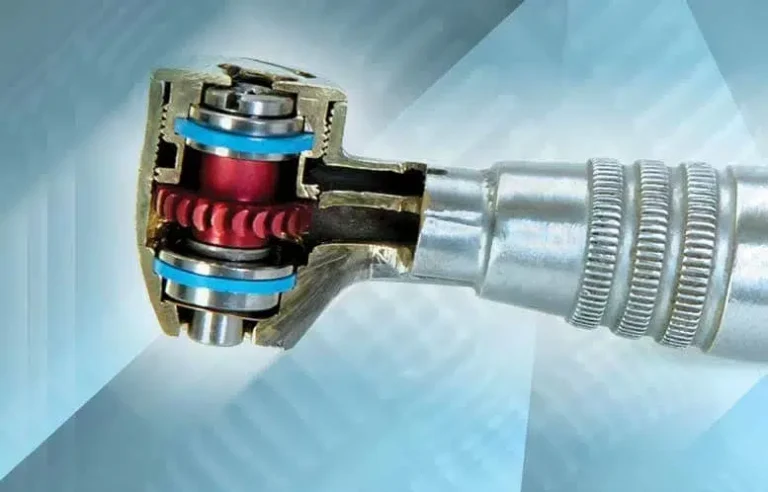
Dental hygienists rely heavily on handpieces—whether high-speed, low-speed, or hygiene-specific models—for scaling, polishing, and other preventive procedures. These precision instruments endure daily use, sterilization cycles, and constant exposure to moisture and debris. Proper maintenance and timely repair keep them performing optimally, ensure patient comfort and safety, and extend their lifespan. This comprehensive guide addresses common questions hygienists have about repair frequency, warning signs (including unusual sounds), and best practices for deciding when to send a handpiece in for professional service.
Dental handpieces are complex tools with high-speed turbines (often exceeding 400,000 RPM), bearings, gears, and fiber optics. High-speed models cut efficiently but generate heat and wear quickly. Low-speed or hygiene handpieces handle polishing and are subject to different stresses, such as consistent torque at lower RPMs. Without proper care, handpieces fail prematurely, leading to:
Hygienists often ask: “How frequently will my handpiece need repair?” or “Is this normal wear, or should I send it now?”
Pro tip for hygienists: Rotate 4–5 handpieces per operatory. This allows proper cooling, cleaning, and drying between uses, dramatically reducing repair frequency. Many hygienists wonder if third-party repair is okay. Authorized or reputable services using OEM parts are reliable, but always verify training, warranties, and turnaround time (ideally 1–2 days with pickup/delivery). Rebuilds (vs. full replacement) can save money while maintaining performance.
Early detection prevents complete failure mid-procedure. Listen and feel during every use. Auditory Warnings (Common Sounds):
If issues persist after these steps, send it in—don’t risk a breakdown.
Maintaining Hygiene Handpieces Specifically
Low-speed hygiene models (e.g., for prophy angles) follow similar protocols but emphasize:
Handpiece repair isn’t a sign of failure—it’s part of responsible equipment stewardship. By understanding typical repair frequency (every 6–12 months for heavy users), recognizing early warning signs like unusual squeals, vibrations, or heat, and committing to daily maintenance, hygienists can minimize downtime, enhance patient experiences, and control costs.
Talk to your team about establishing documented maintenance protocols. Partner with a trusted repair service. Your hands (and patients) will thank you for the quieter, smoother, more reliable instruments.
This post is for educational purposes. Always consult manufacturer instructions and your equipment specialist for model-specific advice
Bill (Master Technician)
Essential Handpiece Repairs
www.essentialhandpiecerepairs.com
Fill out the form below, and we will be in touch shortly.